Skip links

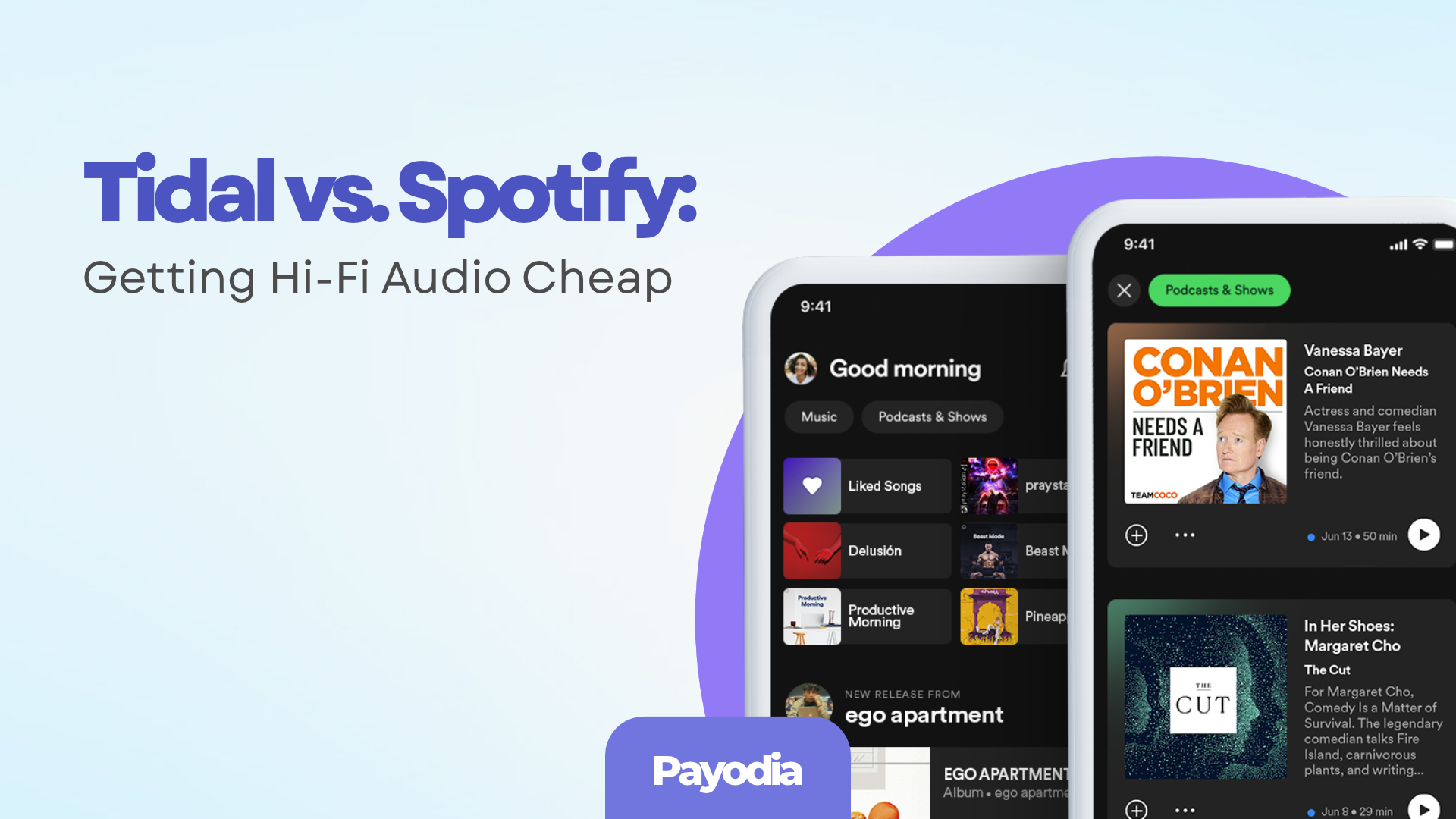
Spotify’s “Lossless” Is a Technical Illusion (And You’re Paying for the Bottleneck)

In early 2026 Spotify finally flipped the switch on the lossless tier it had been promising since forever. It landed inside regular Premium at no extra cost in most markets. For a minute it looked like the long wait was over.

It wasn’t.

Spotify’s lossless ceiling is still locked at 24-bit/44.1 kHz FLAC. That’s CD quality with a slightly deeper bit depth, and it’s genuine lossless — independent tests have confirmed the bits match a CD. But that’s the hard stop. Tidal’s standard architecture already sits above that baseline and can push HiRes FLAC all the way to 24-bit/192 kHz. Apple Music and Amazon Music Unlimited do the same. Qobuz does it as a matter of principle.

If you’re staying on Spotify purely because it now says “Lossless,” you’re absorbing a premium tax for a stream that structurally cannot reach the resolution of a modern studio master. The higher sample rates exist for a reason: more headroom, more detail in the top end, and less of the digital air that shows up once you leave 44.1 kHz behind.

The 2026 Landscape, Straight

Service Max Resolution Typical Price Notes
Spotify Premium 24-bit/44.1 kHz FLAC ~$12.99 Included, but capped
Tidal 24-bit/192 kHz FLAC ~$10.99–$12.99 Hi-res is the normal ceiling
Apple Music 24-bit/192 kHz ALAC ~$10.99 Full hi-res included
Amazon Unlimited 24-bit/192 kHz FLAC ~$9.99–$11.99 Often cheapest with Prime
Qobuz 24-bit/192 kHz FLAC ~$12.99–$14.99 Built for people who actually care

Spotify is the only major that still treats 44.1 kHz as the finish line. Everything else treats it as the starting point.

How to Actually Get Studio-Master Fidelity Without Overpaying

You don’t need a $20 tier or a special DAC that only works with one service. You just need to stop treating Spotify as the default once fidelity is the goal.

  • Apple Music is the cleanest switch for most people. Full 24/192 catalog, Spatial Audio if you want it, and it usually costs less than Spotify Premium. Works across devices once you step outside pure Bluetooth.
  • Amazon Music Unlimited is the value play, especially if you already have Prime. Same 24/192 ceiling, and the price drops further for Prime members.
  • Tidal remains the one that built its entire identity around this. The catalog is deep, the Max tier is open FLAC (MQA is long gone), and the baseline already clears Spotify’s ceiling.
  • Qobuz if you want the purest path and don’t mind a slightly higher monthly number. It’s the service that still feels like it was made by people who listen.

Hardware still matters more than the stream. A $30–$50 USB-C DAC (FiiO KA11 or similar) plus wired or high-bitrate Bluetooth (LDAC) is what actually lets the higher resolution reach your ears. Standard SBC or AAC Bluetooth will compress everything back down regardless of what the app is sending.

The Bottom Line

Spotify’s lossless is real. It’s also deliberately limited. The company solved the “we don’t have lossless” complaint without solving the resolution ceiling that separates CD-quality from the files that actually leave the studio.

If discovery, playlists, and the social layer are why you’re there, stay. If you’re paying specifically for better sound, the better sound is already cheaper on other platforms — and it isn’t capped at 44.1 kHz.

Switch the stream. Keep the same budget. Hear the difference.


Main sources:

  1. SoundMavericks – Tidal Music vs Spotify 2026: Key Differences Compared
  2. Rise Up Mastering – Spotify Lossless and normalisation in 2026: what changed
  3. What Hi-Fi? – Is Spotify Lossless truly lossless?

Author:

Hey, I’m Mahya — SEO strategist and content writer at Payodia. I share the real stuff I actually use: practical ways to get more out of AI tools, SEO, and business stuff… without wasting time or money.

Share the Post:

Related Posts

Real People, Real Help

Live Human Support