Skip links

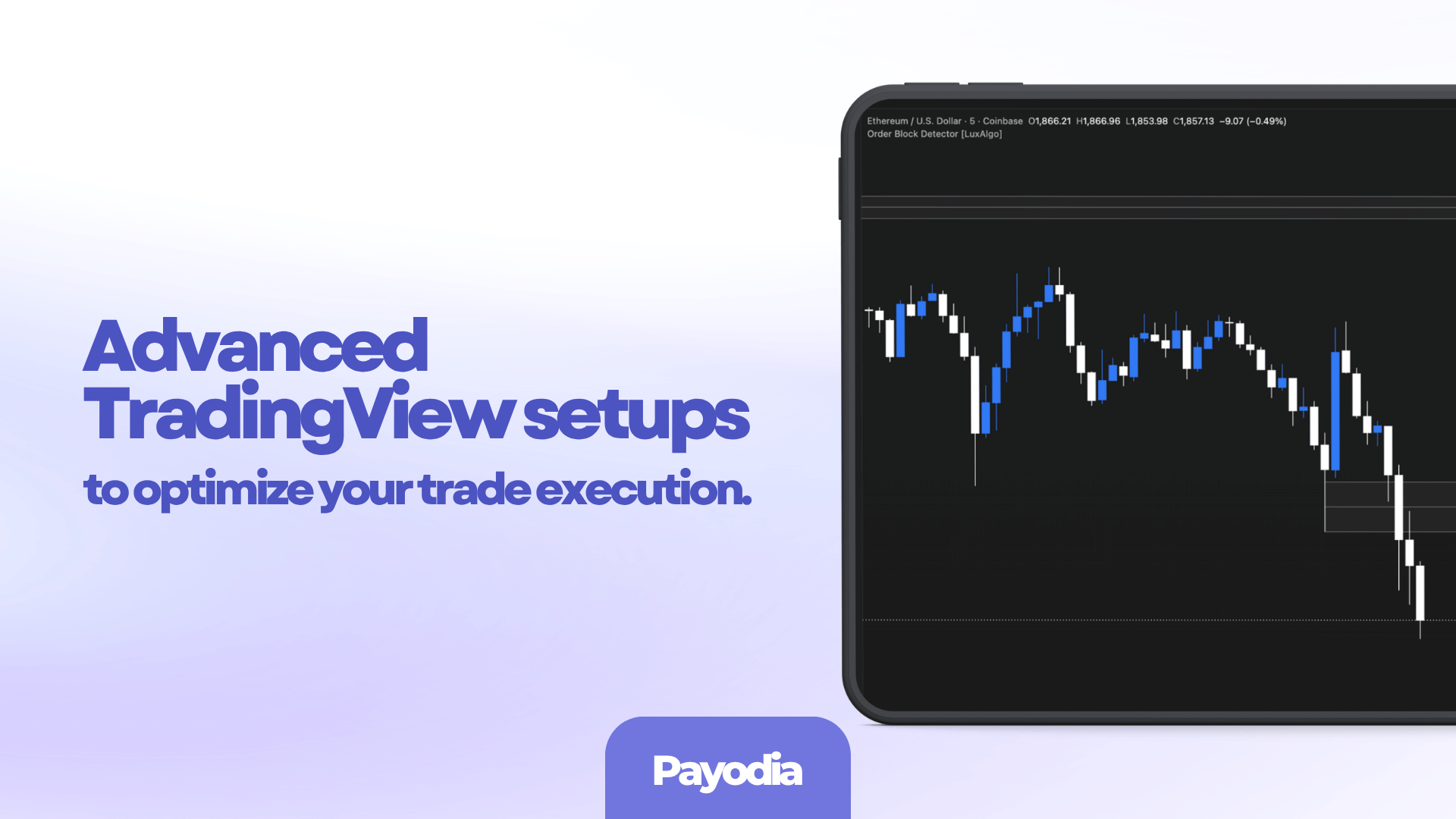
TradingView: Executing on Volume Profile 📊

TradingView: Executing on Volume Profile

If you are trading without the Volume Profile indicator, you are mathematically guessing where institutional liquidity sits. Standard retail trading relies on temporal noise; institutional execution relies on spatial liquidity. To stop providing exit liquidity for algorithmic funds, you must upgrade your data architecture and trade based on price, not time.

The Time vs. Price Delusion

If you are trading off standard horizontal volume bars at the bottom of your chart, you are navigating a minefield with a delayed map. Time-based volume only tells you when a transaction occurred. It is pure temporal noise.

The Volume Profile Fixed Range (VPVR) fundamentally alters this view by plotting volume on the Y-axis. It tells you exactly where the transactions happened. This is the difference between knowing that a battle took place at 2:00 PM, versus knowing the exact GPS coordinates of the fortress.

The Point of Control (PoC)

The core of the Volume Profile is the Point of Control (PoC). Mathematically, it is the exact price level ($P$) that contains the maximum traded volume ($V$) within a specified time range:

$$ PoC = \arg\max_{P} V(P) $$

This is not an abstract support line drawn with a retail trend tool; this is the factual epicenter of institutional capital accumulation. Whales and market makers build their positions at these high-volume nodes. By identifying the PoC, you stop market-buying into algorithmic resistance and start setting precise limit orders exactly where institutions are mathematically forced to defend their average entry prices.

The Data Latency Trap

The secondary vulnerability for retail traders is infrastructure latency. Free TradingView accounts limit users to delayed, 1-minute data intervals.

In a market dominated by High-Frequency Trading (HFT) algorithms, a 60-second data delay means you are trading the ghost of a market structure that has already shifted. You cannot execute institutional strategies on retail latency.

Upgrading the Execution Architecture

To compete, your charting architecture must match your execution logic. Premium tiers transition you from a retail participant to an equipped operator by unlocking:

  • 1-Second Intervals: Eliminating the micro-latency gap.
  • Multi-Chart Layouts: Viewing up to 8 correlated assets simultaneously to track macroeconomic liquidity flows.
  • Server-Side Webhooks: Deploying up to 400 server-side alerts to fully automate your trading logic directly to your broker’s API.

Stop trading blind. Upgrading your TradingView architecture is not an operational luxury; it is the baseline cost of entry. Payment gateways like Payodia allow operators to seamlessly and privately unlock these premium tiers to secure advanced market data instantly.

Verified Resources

Share the Post:

Related Posts

Real People, Real Help

Live Human Support